
Door & Window Alarms for Sleepwalkers
Our Top Picks for Sleepwalker Door and Window Alarms


What to Look for in a Door or Window Alarm for Sleepwalking
A door alarm intended for sleepwalking safety has a different set of requirements than a standard home security sensor. Security sensors are often designed with entry delays, quiet alerts, and smartphone-dependent notifications — none of which are useful when the goal is waking a household member before a sleepwalker reaches an exterior door. Here’s what actually matters:
Instant triggering with no entry delay. Security alarms commonly include a programmable delay — anywhere from 15 to 60 seconds — so the homeowner has time to disarm. That feature is a liability in a sleepwalking context. The alarm must sound the moment the door or window opens, not after a grace period. Confirm that any alarm you purchase has a zero-delay setting or no delay built in at all.
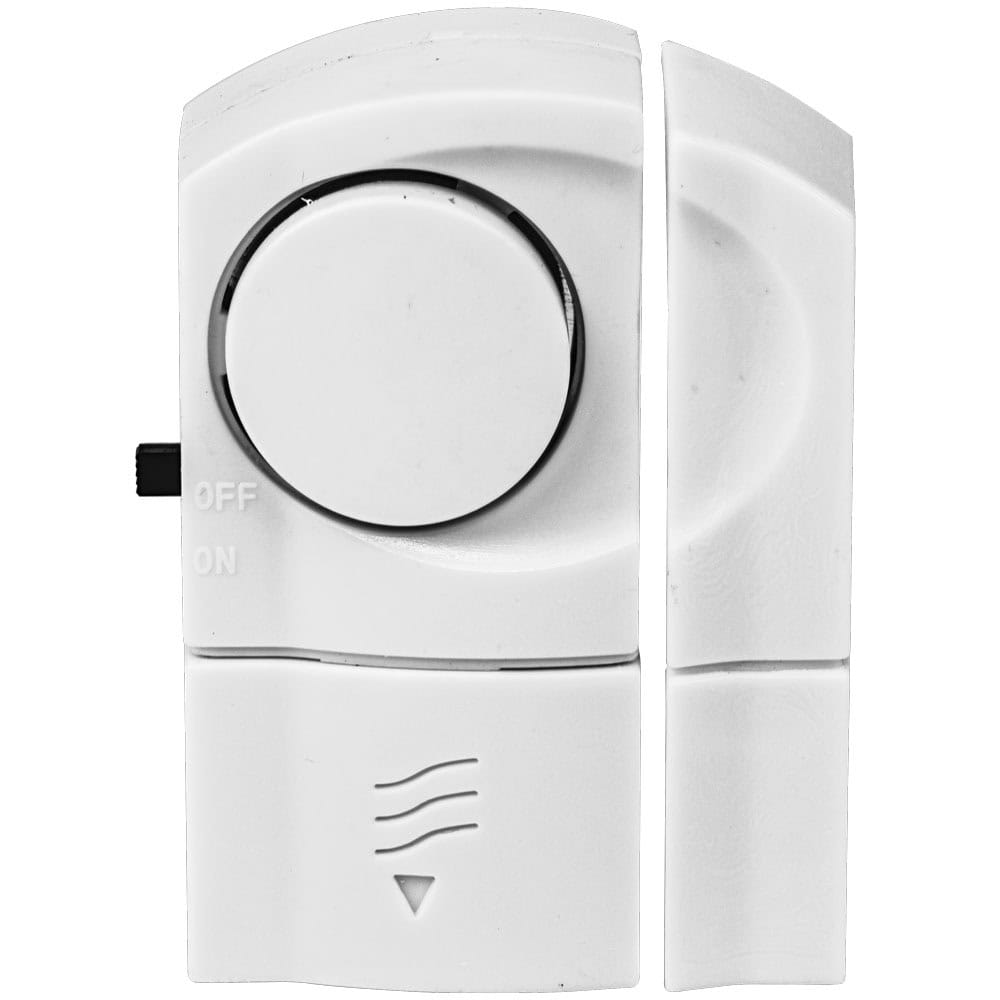
Volume loud enough to wake a sleeping adult. The person who needs to respond is likely asleep in another room. The magnetic 2-pack triggers at 90dB; the doorknob alarm reaches 120dB; the Barking Dog Alarm hits 120dB with a wide-area radar. For most homes, 100dB or above is a reliable floor. For large homes or heavy sleepers, 110dB to 120dB is better.
No keypad or code required to arm. If arming the alarm requires a multi-step process each night, it won’t get used consistently. The best options are single-switch alarms, hang-over-the-handle units, or peel-and-stick sensors that are armed the moment they’re installed and switched on.
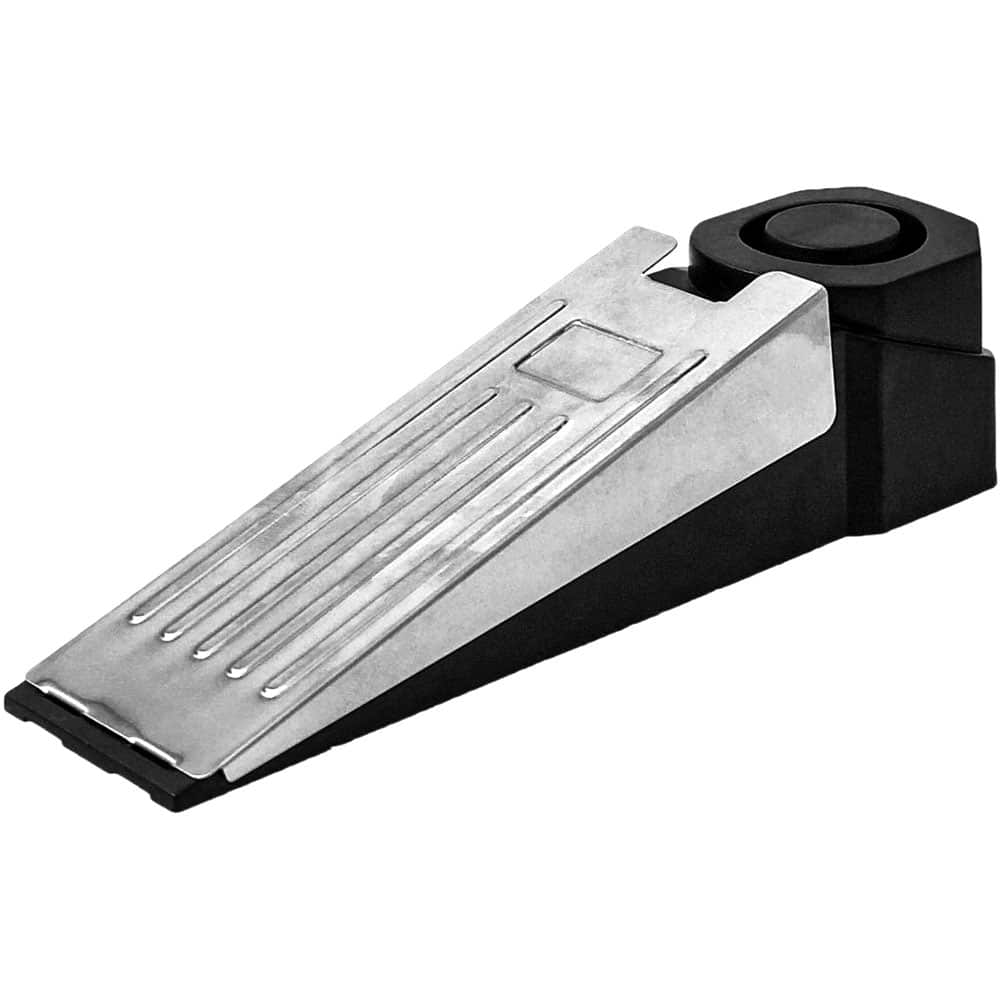
Passive operation — the sleepwalker doesn’t have to do anything. Unlike a door knob cover that a child might struggle with, a sleepwalker can operate a door handle normally. The alarm works by detecting the door opening — not by requiring any special behavior from the person leaving. This is why alarms are fundamentally more reliable than physical-resistance barriers in a sleepwalking household.
How to Set Up Door and Window Alarms for a Sleepwalking Household
Effective sleepwalking protection covers the highest-risk exits first, then works outward until every meaningful exit is monitored. Here’s a practical setup approach:
Start with the bedroom door. The bedroom is where a sleepwalking episode begins. An alarm on the bedroom door — the Portable Door Guard Alarm’s vibration sensor works well here, as it detects movement through the door itself — gives a caregiver or partner sleeping nearby the earliest possible alert, before the sleepwalker has moved through the rest of the house.
Cover all exterior exits on the ground floor. Front door, back door, garage entry, and sliding patio door are the highest-risk exits. Prioritize these after the bedroom door. The magnetic 2-pack handles two of these exits in a single purchase; adding the 2-in-1 doorknob alarm to a third exit is a straightforward next step.
Consider the Barking Dog Alarm for open-plan homes. In a home with an open floor plan, a single radar-based motion sensor can cover a wide area — hallways, living rooms, and approaches to multiple exits — from one unit. Its 50-foot detection range means it can alert a caregiver while the sleepwalker is still well away from any exterior door.
Arm alarms as part of a consistent bedtime routine. Consistency is the most important factor. Make arming the door and window alarms a fixed part of the same routine as locking the front door and turning off lights — something that happens automatically without deciding each night.
Door and Window Alarms vs. Other Sleepwalking Safety Approaches
Door and window alarms are the most practical first step — but families managing sleepwalking commonly consider several approaches. Here’s how they compare:
Deadbolts and door chains. A keyed deadbolt or a high chain lock requires deliberate, coordinated action that most sleepwalkers in a deep sleep state cannot execute. These are effective physical barriers. The limitation is that they also slow emergency egress and can be disorienting for someone who wakes up near a locked door. Alarms don’t have this drawback — they alert without blocking.
Smart home sensors with phone notifications. Smartphone-connected door sensors can send a notification when a door opens. The limitation is response time — if the caregiver’s phone is silenced or in another room, the notification may not register quickly enough. An audible in-home alarm that physically wakes the caregiver is faster and more reliable in a nighttime emergency.
Motion-detecting alarms. The Barking Dog Alarm’s radar sensor detects movement through walls and glass before anyone reaches a door. This creates an earlier warning than a contact sensor and covers a wider area — useful as a complement to per-door sensors, especially in larger homes.
Frequently Asked Questions
Not Sure Which Setup Is Right for Your Home?
Sleepwalking situations vary — a child's bedroom is a different setup problem than a ground-floor home with multiple exits and a heavy sleeper caregiver. If you want help figuring out which alarms to put where, call us at 800-859-5566.
Shop All Door and Window Alarms