
Personal Alarms for Runners
Our Top Personal Alarms for Runners and Joggers

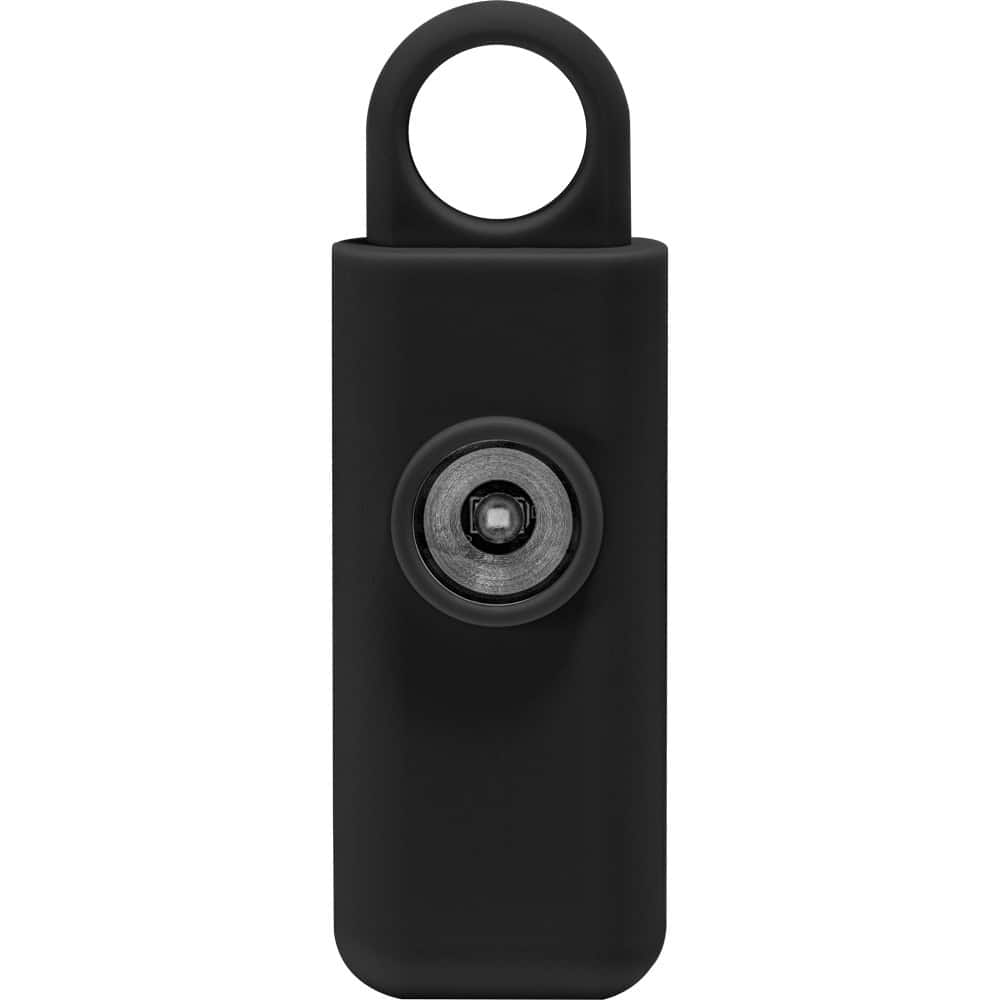
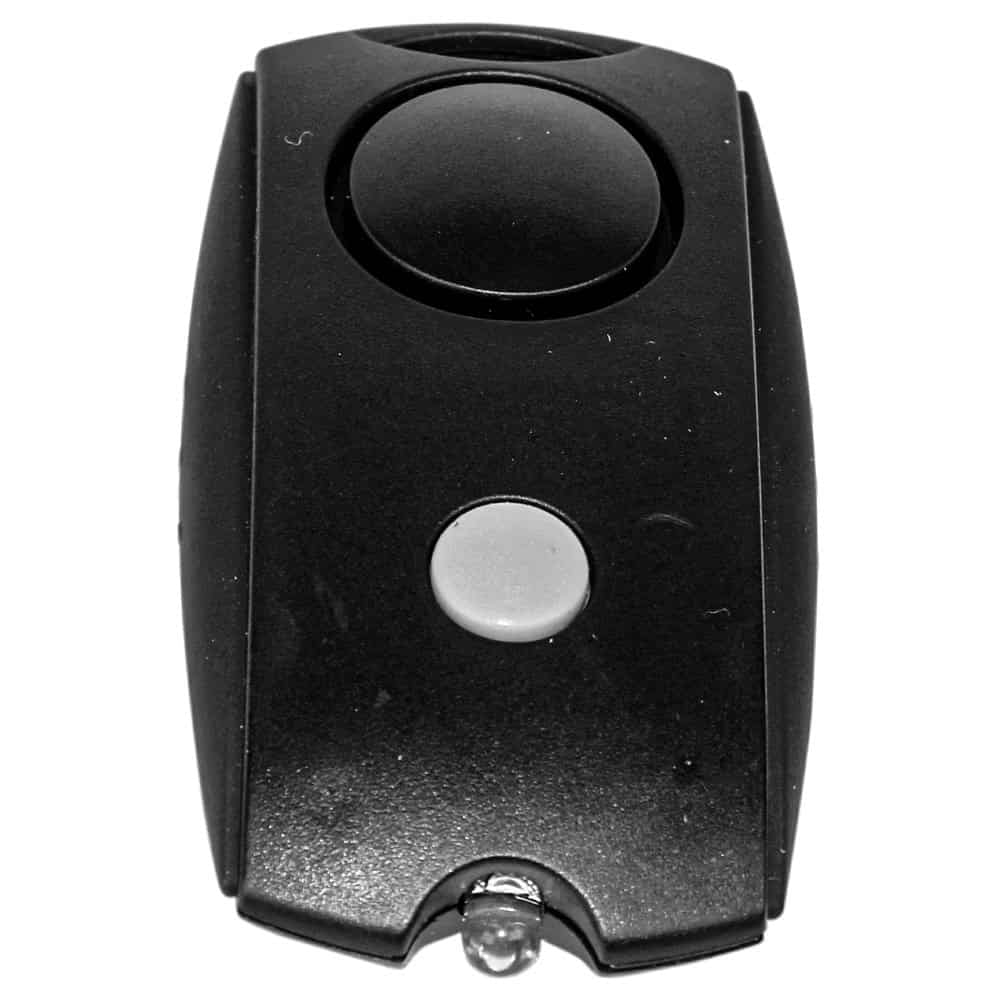

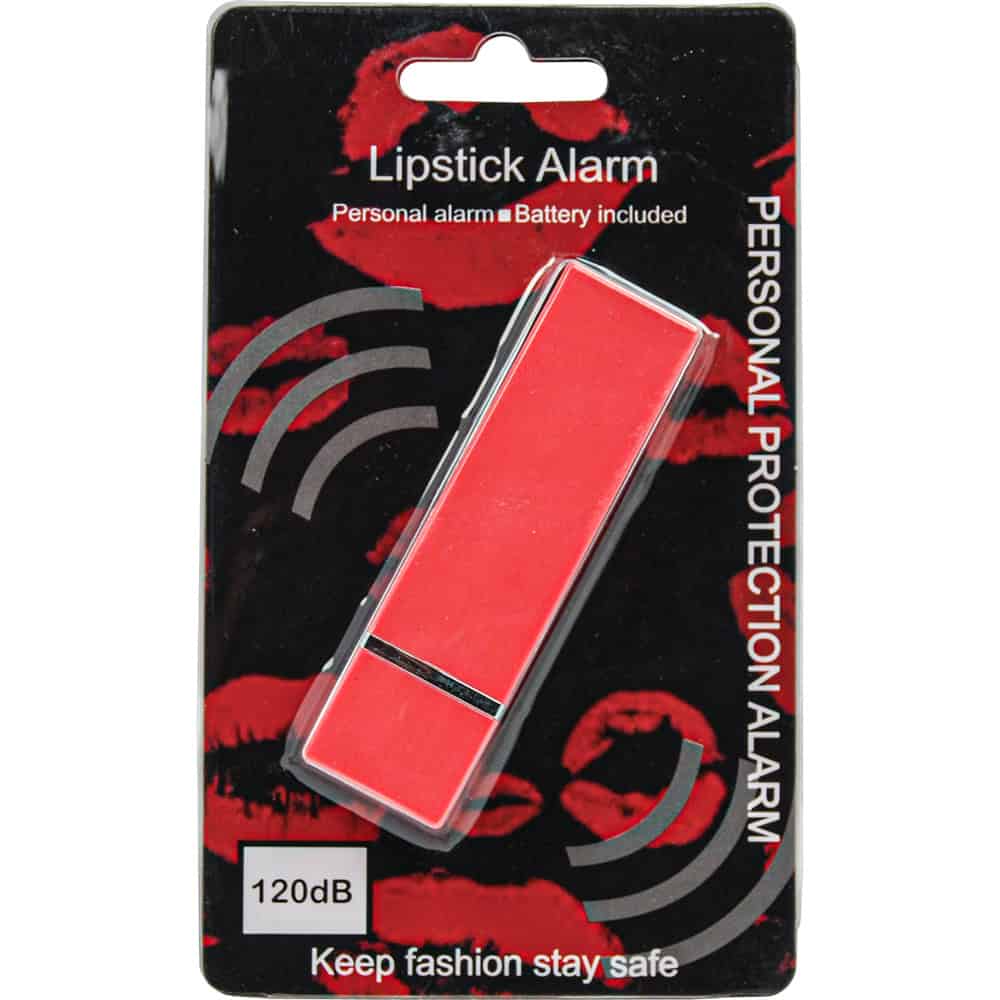
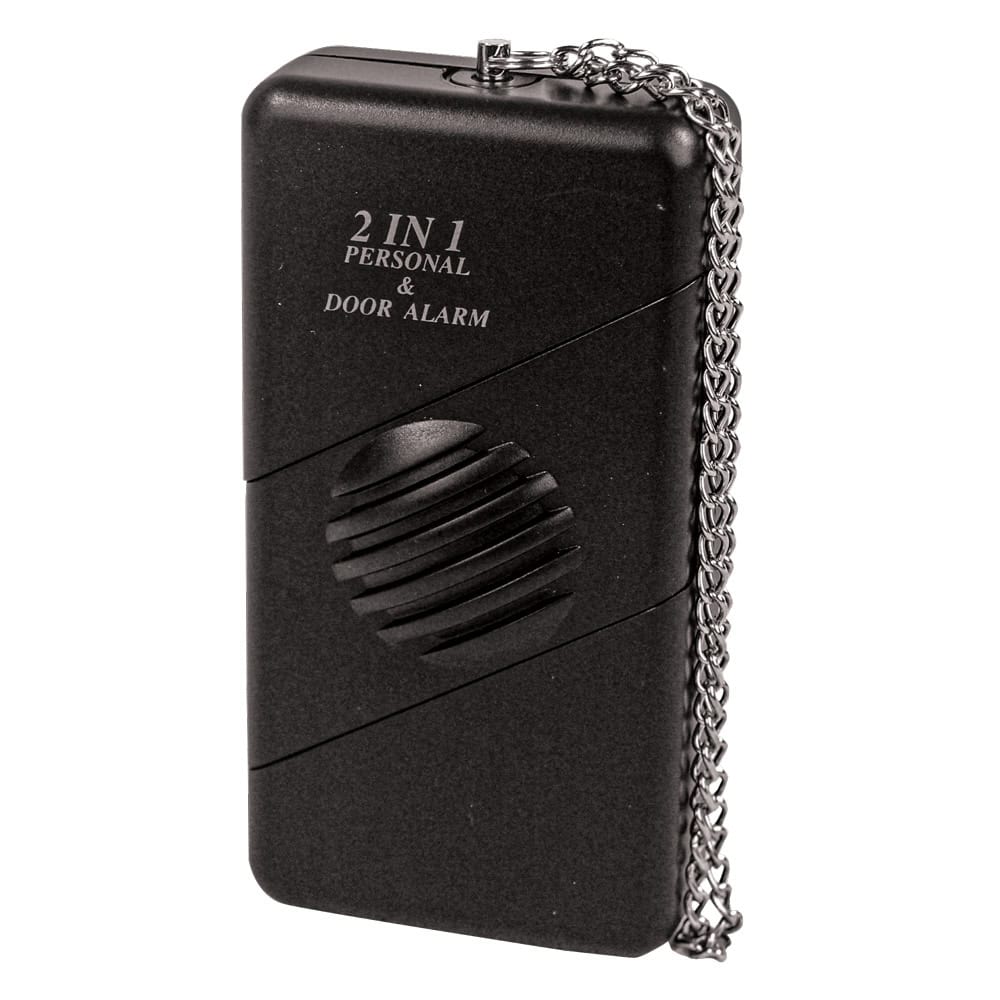
What Makes a Personal Alarm Work for Running
Running introduces a specific set of constraints that most personal alarms aren’t designed around — and that most personal alarm buying guides completely ignore. Here’s what actually matters when you’re moving at pace:
One-handed deployment is mandatory. Your arms are swinging, your pace is set, and you may have one hand already holding a phone or water bottle. An alarm that requires two hands to activate — twisting a cap, pressing and holding, or navigating a recessed button — fails the running use case. Pin-pull alarms win here because the cord can be looped around your wrist or fingers so that a natural pulling motion fires the alarm without stopping, reaching, or searching.
Secure attachment prevents loss mid-run. A belt clip that’s stiff enough to stay put during arm swing is non-negotiable. The Mini Personal Alarm’s spring-loaded clip holds on waistbands, hydration pack straps, and running belt edges without shifting. Keychain models can be looped to a carabiner on a vest or threaded through a shorts drawstring. Avoid loose lanyard carry while running — the alarm will bounce and swing in a way that quickly becomes distracting.
130dB cuts through headphone noise. This matters more for runners than for any other use case. Most sport headphones designed for running provide noise isolation, meaning you may not hear a threat approaching from behind. A 130dB alarm fired at close range penetrates that isolation — both for you and anyone within earshot. If you run with headphones, treat 130dB as your floor, not a premium feature.
Weight and profile should disappear. The alarms on this page are all under 3 oz and designed to carry without shifting your gait or creating noticeable arm imbalance. If an alarm feels heavy or awkward during a training run, you’ll stop carrying it on race day. Size is a real purchase consideration, not just a convenience one.
How to Carry a Personal Alarm While Running
Wrist lanyard is the fastest-access carry option for runners. Loop the cord of a keychain alarm around two fingers or your wrist, and the alarm sits in your palm the entire run. You never have to reach for it — it’s already in position. If something happens, pulling your arm away from the threat automatically activates it. This is the same principle used by the Mace Jogger for pepper spray, adapted to an alarm.
Clipped to a running belt or hydration pack is the most popular middle-ground option. The alarm is off your hand but draws instantly with one pinch-and-pull or clip-release motion. Works well for runners who find in-hand carry uncomfortable over long distances or who carry a phone and water in-hand.
Threaded through a drawstring or vest loop keeps smaller alarms secure against the body without adding a visible clip. Loop a keychain alarm’s ring through your shorts’ drawstring loop and knot it loosely — it doesn’t bounce and is reachable with one hand. Best for minimalist runners who don’t carry a belt.
In a running vest chest pocket works for trail runners who already carry gear. The Lipstick Personal Alarm is the only model slim enough for this without creating pocket bulk that shifts your weight on technical terrain.
Personal Alarms vs. Pepper Spray for Runners: Which Should You Carry?
Both are worth carrying. They aren’t redundant — they cover different threat scenarios.
A personal alarm works from a distance. You don’t need to be close to a threat for 130dB to deter it, draw attention to your location, and destroy the element of surprise. An alarm also helps in non-assault emergencies: if you take a bad fall on a trail, roll an ankle in an isolated area, or have a medical event, a screaming alarm signals your location to other runners and trail users far more effectively than yelling.
Pepper spray works at close range and provides physical stopping power if someone is already on you. A stream-pattern spray rated at 1.2% or higher Major Capsaicinoids stops someone who isn’t deterred by noise — under the influence of drugs or alcohol, for example.
The ideal runner’s carry is both: an alarm for early deterrence and emergency signaling, a compact pepper spray for close-range defense. See our Pepper Spray for Runners page for hand-strap and belt-clip models specifically chosen for active carry.
Running Safety Beyond the Alarm: Habits That Matter
An alarm is the last line in a layered safety approach. These habits reduce your risk before you ever need to activate anything:
Vary your routes and times. A predictable running schedule in a predictable location makes it easy for someone to know where you’ll be and when. Mixing routes — even within the same general area — removes that predictability entirely.
Run against traffic. You see approaching vehicles and can move off the road; drivers approaching from behind can’t always see you in time. This also means you’re facing anyone who slows near you rather than having them appear at your back.
Let someone know your route. Share a screenshot of your planned route and your expected return time with someone who will notice if you don’t check in. Free apps like Strava’s beacon feature do this automatically. Low-tech: a note on the counter.
Keep one ear free. If you run with music, use open-back or bone conduction headphones, or leave one earbud out. Hearing your environment — footsteps, vehicles, voices — is a genuine safety input, not just a courtesy to other trail users.
Run with your alarm out. Particularly for solo runs in low-traffic areas, pre-deploying your alarm into your hand before you enter an isolated section means you’re not reacting to a threat — you’re already ready.
Frequently Asked Questions
Not Sure Which Alarm Fits Your Run?
Describe your typical route, distance, and carry setup and we'll point you to the right model. Call us at 800-859-5566 or browse the full lineup below
Shop All Personal Alarms